
Signs Of Foundation Problems In Texas Homes
Are you starting to notice cracks in your walls or doors that won’t close properly and wondering if your foundation might be the problem? For many Texas homeowners, these small warning signs are the first indication that something deeper could be affecting the structure of their home.
Foundation issues are especially common in North Texas due to shifting soil conditions, and catching them early can make a major difference. Understanding the signs of foundation problems helps you act before minor issues turn into expensive repairs. Knowing what to look for—and when to bring in a professional—can give you clarity and peace of mind.
Common Interior Signs Of Foundation Movement
One of the first places homeowners notice foundation issues is inside the home. These signs often appear gradually, making them easy to overlook until they become more obvious.
Cracks in drywall are among the most common indicators. While small hairline cracks can be normal, larger cracks—especially those that grow over time or appear around doors and windows—can signal structural movement. You may also notice doors and windows sticking, not latching properly, or developing uneven gaps.
Uneven or sloping floors are another red flag. If you feel like you’re walking downhill in certain areas of your home, it could indicate that the foundation is shifting. These symptoms are often connected, and understanding their cause is key. If you’re unsure what these signs mean, reviewing our foundation assessment services can help you understand how professionals evaluate these conditions.
Exterior Warning Signs Around Your Home
Foundation problems don’t just show up inside—they’re often visible on the exterior of your home as well. Paying attention to what’s happening outside can give you early insight into potential structural concerns.
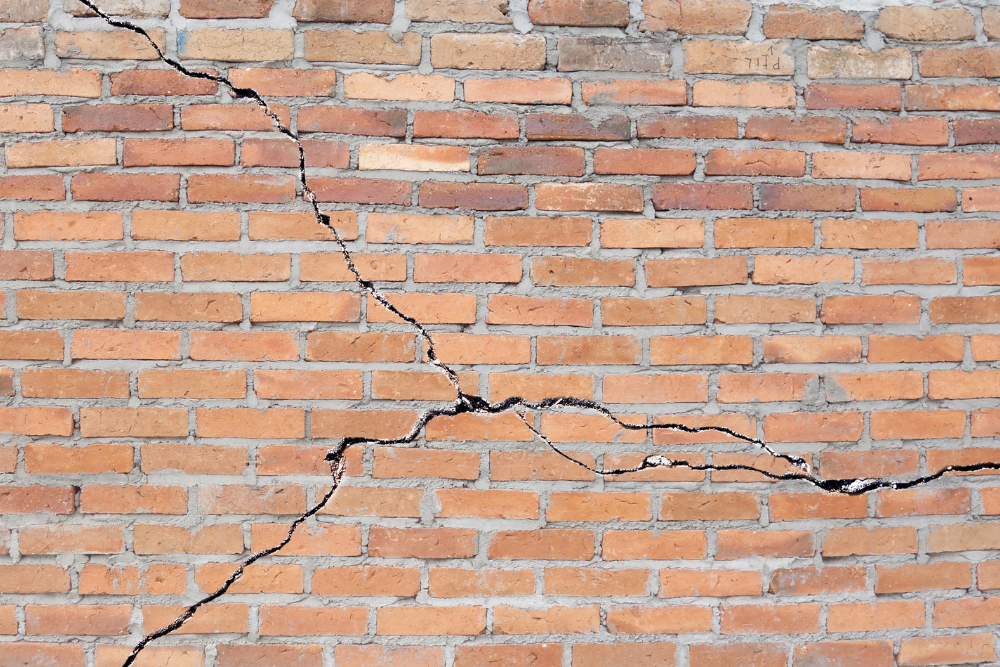
Brick cracks are a major indicator, especially stair-step cracks along mortar joints. These patterns typically point to movement in the foundation rather than surface-level issues. You might also notice separation around windows, doors, or garage frames, where gaps begin to form between materials.
Another sign to watch for is a leaning or tilting chimney. Since chimneys are often built on their own foundation, they can shift independently and signal broader movement in the soil. These exterior changes are important because they often reflect what’s happening beneath the surface.
What Causes Foundation Problems In Texas Soil
Texas homes face unique challenges due to the type of soil found throughout the region. Expansive clay soil expands when it absorbs moisture and shrinks during dry periods. This constant cycle creates pressure on your foundation, leading to movement over time.
Other contributing factors include poor drainage, plumbing leaks, and inconsistent moisture levels around the home. For example, heavy rain followed by drought conditions can cause significant shifts in the soil supporting your foundation.
Understanding these causes helps explain why foundation issues are so common in this area. For a deeper look at how residential structures are designed to handle these conditions, the International Residential Code provides helpful guidelines used in construction and evaluation.
When Foundation Issues Become Serious
Not every crack or symptom means you’re facing a major structural problem, but some signs should not be ignored. The key is identifying when normal settling turns into something more significant.
Here are a few signs that may indicate a more serious issue:
- Cracks wider than 1/4 inch
- Rapidly growing cracks or new cracks appearing
- Doors and windows that suddenly stop functioning properly
- Noticeable floor slope changes over a short period
- Gaps forming between walls and ceilings
When these symptoms appear together or worsen over time, it’s a good idea to get a professional opinion. A structural engineer can determine whether the issue is active and what steps, if any, are needed to address it.
What Homeowners Should Do When They Notice Signs
If you’re seeing signs of foundation problems, the first step is not to panic—but also not to ignore them. Taking a measured approach can help you avoid unnecessary repairs while still addressing potential risks.
Start by documenting what you’re seeing. Take photos of cracks, note when they appeared, and track any changes over time. This information can be helpful when discussing your concerns with a professional.
Next, consider getting an unbiased evaluation. Unlike repair companies, an engineer provides an objective assessment of your home’s condition. You can learn more about what this process looks like through our structural inspection services, which are designed to give homeowners clear, actionable insights.
It’s also helpful to educate yourself on common structural concerns so you can better understand your situation. Our blog articles cover a range of topics that homeowners frequently encounter, helping you make informed decisions.
Finally, remember that not all foundation issues require immediate repair. Some may stabilize over time, while others need monitoring. Having accurate information allows you to move forward with confidence instead of guesswork.
Get Clear Answers About Your Foundation
If you’re looking for reliable guidance about foundation problems in Texas homes, working with an experienced team can help you understand exactly what’s going on. At G. Lamb Engineering, we provide foundation evaluations, detailed inspections, and straightforward recommendations for homeowners across the Dallas–Fort Worth area.
Our goal is to give you clarity—not confusion—so you can make the right decision for your home. Whether you’ve noticed early warning signs or want a professional opinion, we’re here to help you take the next step with confidence.