
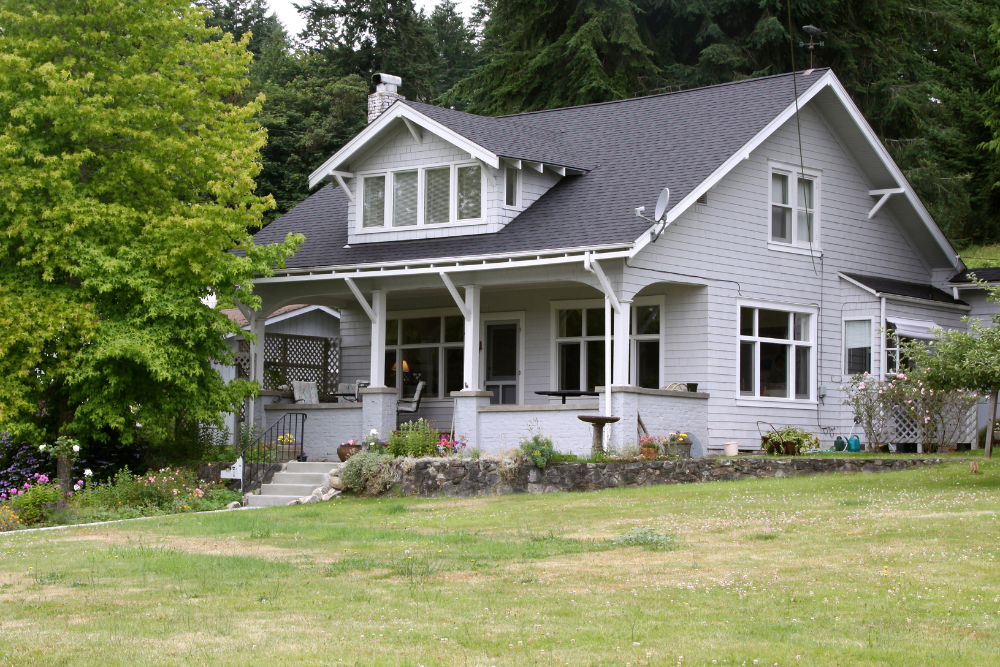
Foundation Assessments for Older Homes
We provide foundation assessments for older homes across Dallas–Fort Worth, helping homeowners understand how aging structures perform over time and what steps are needed to maintain long-term stability. Our evaluations are designed to uncover hidden issues, clarify structural conditions, and guide smart decisions for repairs or renovations.
Older homes carry character, craftsmanship, and history—but they also come with unique structural considerations. Over decades, foundations are exposed to shifting soils, weather cycles, and previous repairs that can impact performance. A professional foundation inspection helps determine whether what you’re seeing is expected aging or a sign of deeper structural movement.
How Aging Affects Foundations in Older Homes
Unlike newer construction, older homes have had decades to respond to environmental conditions. In North Texas, expansive clay soils constantly expand and contract, placing long-term stress on foundations. Over time, even well-built homes can experience gradual movement.
Materials also play a role. Older homes may have foundations built with different standards or methods than what is used today. This doesn’t mean they are unsafe, but it does mean they should be evaluated with an understanding of how they were originally constructed.
You may notice signs such as cracks, uneven floors, or doors that don’t align properly. These changes can develop slowly, making them easy to overlook. If you’re unsure whether these signs are normal, it’s a good idea to schedule a foundation evaluation to get a clear understanding of your home’s condition.
Common Foundation Issues Found in Older Homes
Older homes tend to show a combination of cosmetic wear and structural changes. Distinguishing between the two is essential for avoiding unnecessary repairs or missing serious concerns.
Some of the most common issues include:
- Long-standing cracks that may have stabilized
- Uneven settling that occurred years ago
- Previous foundation repairs or modifications
- Outdated drainage systems affecting soil moisture
- Framing adjustments made over time
Not all of these issues require immediate action. In many cases, movement has already occurred and the home has reached a stable state. A foundation engineering assessment determines whether the structure is still shifting or has settled into equilibrium.
Understanding this difference is key. It allows homeowners to focus on necessary improvements rather than reacting to issues that are no longer active.
The Importance of Evaluating Previous Repairs
Many older homes in DFW have undergone foundation repairs at some point. While repairs can restore stability, they don’t always tell the full story. Evaluating past work is a critical part of any assessment.
An engineer will review how previous repairs are performing and whether they are still effective. This includes checking for continued movement, proper load distribution, and signs of additional stress.
In some cases, older repairs may need adjustments or updates to meet current standards. In others, they may be performing exactly as intended. Having a professional evaluation removes uncertainty and provides clear direction.
If your home has undergone structural changes—such as load-bearing wall removal—it’s especially important to ensure everything is working together properly. Changes to the structure can influence how the foundation responds over time.
What Homeowners Should Expect From an Assessment
A foundation inspection for an older home is thorough and tailored to the property’s history. The process begins with a visual evaluation of both interior and exterior conditions, followed by elevation measurements to detect uneven settling.
Engineers also consider environmental factors such as drainage, soil conditions, and moisture levels. In North Texas, these elements are often the driving force behind foundation performance.
Homeowners often want to know whether their home is “safe.” The assessment answers this by determining whether the foundation is functioning within acceptable limits. It also identifies whether movement is ongoing or has stabilized.
Another common concern is cost. Many homeowners assume that older homes automatically require major repairs, but that’s not always the case. In fact, some homes only need monitoring or minor adjustments.
For additional insight into structural evaluation standards, resources from the American Society of Civil Engineers can help explain how engineers assess long-term performance.
Working with experienced residential engineering services ensures your assessment is accurate and tailored to the unique characteristics of older homes.
Planning Renovations in Older Homes With Foundation Considerations
Renovating an older home can be rewarding, but it requires careful planning. Structural changes can place new demands on an already aged foundation, making an assessment a critical first step.
Before starting any major project, it’s important to understand how the foundation will handle additional loads or layout changes. This is especially true for open-concept remodels, additions, or structural modifications.
An engineer evaluates whether reinforcements are needed and ensures that your renovation plans align with the home’s existing structure. If updates are required, detailed structural design plans provide a clear roadmap for contractors.
Taking this step early prevents costly surprises and helps your project move forward smoothly.
Get the Insight You Need for Your Older Home
When you need clear answers about the condition of your older home, a professional assessment provides the guidance you can trust. At G. Lamb Engineering, we specialize in evaluating aging structures across Dallas–Fort Worth, helping homeowners understand their foundation and plan for the future with confidence. Whether you’re maintaining your home or preparing for renovations, our team delivers practical solutions that keep your property stable and secure.