
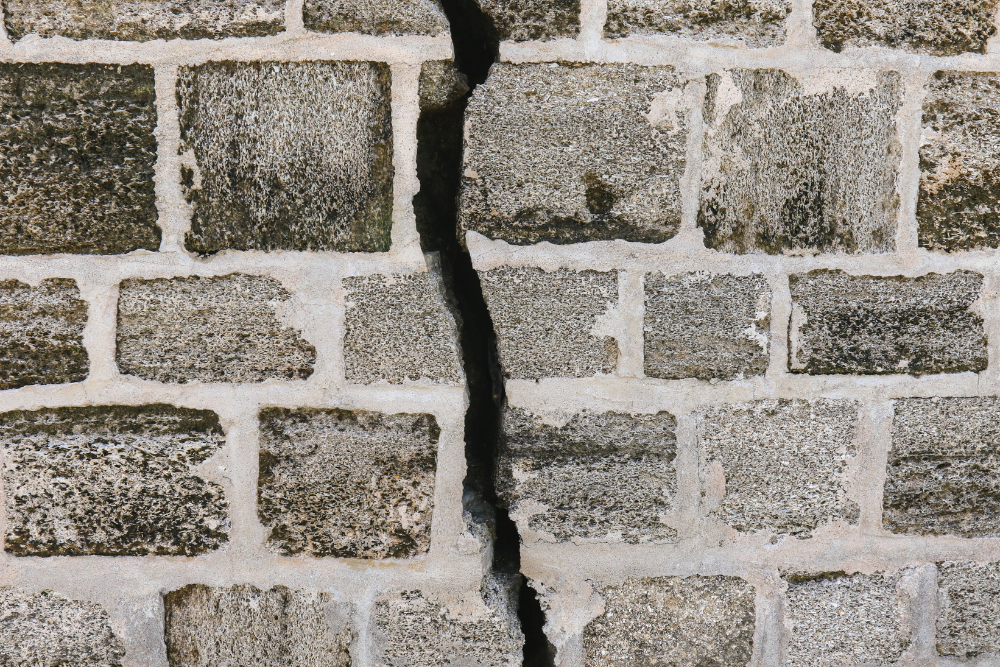
Cracks in Walls and Ceilings: Do They Mean Your Foundation Is Failing?
Are cracks in your walls and ceilings a normal part of your home settling, or do they mean your foundation is failing?
We provide detailed foundation assessments for homeowners across the Dallas–Fort Worth area, helping you determine whether cracks are cosmetic or a sign of structural movement. Seeing cracks can be alarming, especially when they seem to grow over time. The key is understanding what those cracks actually indicate and when it’s time to involve a professional.
Cracks in walls and ceilings foundation or normal settling
One of the most common questions homeowners ask is whether cracks are simply part of normal settling. The truth is, many homes develop small cracks over time due to minor shifts in materials. However, not all cracks are harmless.
In North Texas, soil movement plays a major role in how homes settle. Expansive clay soils expand when wet and shrink when dry, causing subtle but continuous movement beneath your foundation. This movement often shows up as small drywall cracks, especially near corners of doors and windows.
The challenge is distinguishing between normal settling and signs of structural concern. A cracks in walls foundation evaluation helps determine whether what you’re seeing is expected or something that needs closer attention.
Types of wall and ceiling cracks that may indicate foundation issues
Not all cracks are created equal. Their size, shape, and location can reveal a lot about what’s happening beneath your home. A structural engineer foundation inspection looks at these details to assess severity.
Common crack types to watch for include:
- Diagonal cracks extending from door or window corners
- Stair-step cracks in brick or exterior walls
- Cracks wider than 1/4 inch
- Ceiling cracks that continue across multiple rooms
- Cracks that appear suddenly or grow over time
These patterns often suggest movement beyond normal settling. While they don’t automatically mean your foundation is failing, they do signal that further evaluation is warranted.
Foundation movement evaluation in Dallas–Fort Worth homes
A foundation movement evaluation takes a closer look at how your home is performing relative to engineering standards. This involves measuring elevation changes across the slab and identifying areas of differential movement.
In the Dallas–Fort Worth region, some level of movement is expected due to soil conditions. Engineers compare your home’s performance to what is considered acceptable for the area. This context is critical because it prevents unnecessary repairs while still identifying real issues.
Understanding movement in measurable terms removes the guesswork. Instead of relying on visual symptoms alone, an engineer provides data-backed insights into your foundation’s condition.
When cracks become a sign of structural damage
Cracks become more concerning when they are accompanied by other symptoms. A foundation inspection engineer looks at the full picture rather than focusing on a single issue.
Warning signs that cracks may indicate structural problems include:
- Doors and windows that stick or no longer align
- Noticeable slopes in floors
- Gaps between walls and ceilings
- Exterior brick separation or displacement
When multiple symptoms appear together, it often points to ongoing movement that should be addressed. Timing is important, as early evaluation can prevent further damage and reduce repair costs.
Structural engineer vs foundation repair company opinions
Many homeowners turn to repair companies first when they notice cracks. While these companies provide important services, their recommendations are tied to the repairs they offer.
A structural engineer foundation inspection provides an independent assessment focused solely on structural performance. Engineers do not perform repairs, which means their recommendations are unbiased.
This approach helps homeowners:
- Avoid unnecessary repair work
- Understand the true cause of cracks
- Make informed decisions about next steps
Starting with an engineer ensures that any repairs are based on actual need rather than assumption.
What homeowners care about when they see cracks
Cracks can create immediate concern, but most homeowners are really asking a few key questions: Is my home safe? Will this get worse? Do I need to fix it right away?
A professional evaluation provides clear answers to each of these concerns. In many cases, cracks are found to be cosmetic or within acceptable movement ranges, which gives homeowners peace of mind.
Cost is another major factor. Many people worry that cracks automatically mean expensive repairs. An assessment often prevents unnecessary spending by confirming when no action is needed.
Homeowners also want fast answers. Whether preparing for a renovation, selling a home, or simply addressing concerns, timely evaluations help reduce stress and keep plans moving forward.
Foundation assessment for long-term home stability
Even when cracks are not severe, understanding your home’s foundation performance is valuable. A foundation movement evaluation provides a baseline that can be used to monitor changes over time.
For homeowners planning renovations or additions, this information is especially important. Structural changes add new loads to your home, and ensuring the foundation can support them helps avoid complications later.
Regular assessments also support long-term maintenance, helping homeowners address small issues before they become larger problems.
Get clear answers about cracks in your home
If you’re looking for expert insight into cracks in walls foundation concerns, G. Lamb Engineering provides thorough, unbiased evaluations across the Dallas–Fort Worth area. Our team specializes in identifying whether cracks are cosmetic or tied to structural movement, giving you clear guidance without unnecessary complications. With experience in foundation movement evaluation and residential structural inspections, we help homeowners understand their homes and make confident decisions. Get the help you need to determine what your cracks really mean and how to move forward with confidence.